סוגיות במרחב פרט–חברה–ריבון
היי גפן,
זוכרת שישבנו בארוחת ערב ושאלתי אותך אם את יודעת מה זה 'פוליטיקה'?
גרסה א'
נכון שיש מקרים שאת מחליטה לבד?
למשל איזה חולצה ללבוש או איזה ספר לקרוא.
אלה החלטות שלך.
לפעמים הכיתה מחליטה יחד,
למשל במה לשחק בהפסקה.
לעתים (/לפעמים) המורה מחליטה,
למשל מתי יוצאים להפסקה, מתי חוזרים לכיתה.
מה קורה אם,
- את רוצה משהו אחד,
- רוב הילדים רוצים משהו אחר,
- והמורה רוצה וקובעת משהו שלישי?
במקרה כזה צריך לדבר, לשכנע, להחליט ולקבוע בהסכמה מה עושים, גם אם יש לכך מתנגדים.
דברים אלה (/סוגיות) נקראים 'פוליטיקה'.
'פוליטיקה' היא מילה (/שם /מונח) לתהליך בו בו אנשים מחליטים יחד מה עושים, כשלא כולם רוצים אותו דבר.
There are times when you make decisions all by yourself.
For example, you can choose which shirt to wear or which book to read.
Those are your own decisions.
Sometimes, the whole class decides something together.
For example, which game to play during recess.
And sometimes, the teacher decides.
For example, when it's time to go out for recess and when it's time to come back to class.
But what happens if you want one thing, most of the class wants something different, and the teacher wants something else?
Now people have to talk, explain their ideas, convince each other, and decide what to do.
Those kinds of situations are called 'politics'.
Politics is the way people make decisions together when they do not all want the same thing
גרסה ב'
אפשר לחשוב על פוליטיקה כמו על משולש, בו: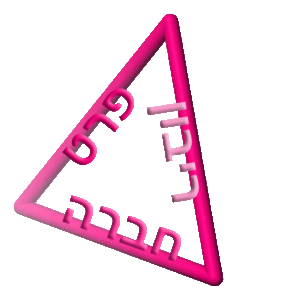
- קו אחד הוא את,
- קו שני הוא הקבוצה,
- והקו השלישי הוא האחראי – ריבון.
כל נושא שנמצא בתוך המשולש הוא …
כשיש שאלה או ויכוח שנוגע בשלוש הקווים האלה ביחד, זאת שאלה פוליטית.
You can think about politics as a triangle:
- One side of the triangle is you.
- The second side is the group you belong to, like your class, your team, or your community.
- The third side is the person in charge, like a teacher, a principal, a mayor, or a government.
Any issue that involves all three sides belongs inside the triangle.
When there is a question, a disagreement, or a decision that affects you, the group, and the person in charge at the same time, that is a political issue.
Politics is about how these three sides work things out when they do not all want the same thing.
Any issue that lies inside this triangle in bewtween the lines is part of politics, because it involves individuals, groups, and the people who make the rules.
גרסה ג'
אם תשאלי מישהו "את/ה יודע/ת מה זה 'חולצה'?" כל אחד יגיד "בטח!".
ואם תבקשי הסבר, כולם יתנו הסבר די דומה: ש
'חולצה' זה בגד מבד שלובשים על חלק הגוף שמתחת לראש, שמכסה ומגן על הגוף מהשמש או מקור, אפשר לחשוב עליה כמו "כיסוי" נעים לגוף. לחולצה יש בדרך כלל: שני שרוולים לידיים, קצרים בקיץ או ארוכים לחורף, פתח לראש, חלק שמכסה את החזה והגב, לפעמים כש כפתורים, לובשים חולצות כדי להרגיש בנוח, להתחמם קצת וגם כדי להיראות יפה.
פוליטיקה זו מילה שכולם משתמשים בה, ובטח בימים אלה.
אם תשאלי את אמא, אבא, סבא, דודה "האם אתם יודעים מה זה 'פוליטיקה'?", כנראה שכל אחד יענה "בטח!".
אם תשאלי כל אחד מהם לחוד, "מה זו פוליטיקה?", כנראה (יכול להיות /קרוב לוודאי) שכל אחד יענה תשובה, אבל אחרת.
זה ניסוי קל, שאם בא לך כדאי לעשות. ככה זה עם סוגיות מורכבות.
ומה זה אומר שכל אחד אומר שהוא יודע משהו, וכל אחד עונה אחרת?
זה אומר שהמילה (/מושג /סוגיה) מסובכת, כל אחד מבין אותה אחרת.
אז גם אני מציע לכך הסבר.
אני מציע, זה אומר (/כלומר):
- שתשמעי את ההסבר רק אם בא לך (/מעניין /מסקרן אותך). ממש לא חייבת.
- אם את שומעת את ההסבר ואת לא מסכימה לו – את ממש לא חייבת לקבל אותו.
להיפך רצוי וכדאי שלא תסכימי, תחפשי ותמצאי לכל מקר ה (/תופעה) הסבר טוב יותר.
אז מה זו 'פוליטיקה'?
במקור המילה (/המושג) 'פוליטיקה' מגיע מהמילה היוונית העתיקה – לפני 2,000 שנה – 'פוליס'.
'פוליס' ביוונית זה עיר. כמו תל אביב. מקום שגרים בו (/מאכלס) הרבה אנשים.
עם השנים (/בחלוף הזמן) המילה (/מושג /מונח) התפתח וקיבל משמעויות אחרות.
באנגלית 'פוליס' זה משטרה.
התפתחות אחרת היא מילה – 'פוליטיקה', שמתארת את (מכלול) השאלות (/נושאים /סוגיות) בין:
- מישהו/י אחד/ת, נניח את/ה (/פרט)
- קבוצה של אנשים (/חברה)
- למבוגר האחראי, (/מורה /שלטון/ ריבון).
ישנן סוגיות שנוגעות לך (/פרט):
את רעבה, צמאה, שמחה, משועממת.
ישנן סוגיות שנוגעות בקבוצה של אנשים (/חברה):
בחירת תורן שימחוק את הלוח בכיתה, האם ומתי הכיתה תפגש לפעילות משותפת אחרי שעות הלימודים.
ישנן סוגיות שנוגעות לאחראי (ריבון):
מה באחריותו: גן – גננת, כיתה – מורה, מדינה – ממשלה.
בקרה
כעת הייתי רוצה לבדוק האם הניסיון להסביר הצליח:
כשילדים בחצר מחליטים לבדם לשחק במשחק כדור או במשחק אחר,
זו סוגיה של פרט, של חברה או של ריבון?
כשאני בוחר/ת חולצה כחולה או ירוקה,
זו סוגיה של פרט, של חברה או של ריבון?
אם המורה מבקשת שקט ויש ילדים שמפריעים והמורה כועסת,
האם זו סוגיה של פרט של חברה או של ריבון?
סוגיה פוליטית
אם את/ה מעדיפ/ה לעשות (/לבצע) מטלה בזוג בחצר,
נראה לך שרוב הכיתה גם מעדיפה ליצור בזוגות,
והמורה בכל זאת מבקשת שתעבדו בקבוצה בכיתה, איזו סוגיה זו?
זו סוגיה שמערבת גם אותך כפרט שמעדיפ/ה לעבוד בזוג, גם את הקבוצה שמעדיפה לעבוד בזוג והאחראי/ת מעדיפ/ה לעבוד בקבוצה בכיתה, ולכן איזו סוגיה זו?
סוגיה פוליטית היא כמו משולש בו
- קו אחד (/צלע) הוא את/ה,
- קו שני (/צלע) הוא הקבוצה,
- והקו השלישי (/צלע) הוא האחראי – ריבון.
כל נושא שנמצא בתוך המשולש הוא …
"Politics" is a word that lots of people use.
If you ask people, "Do you know what a shirt is?", almost everyone will say yes.
And if you ask them to explain it, most people will give a very similar answer. They might say a shirt is a piece of clothing that covers part of your body, keeps you comfortable, and helps protect you from the weather.
If you ask your mom, dad, grandpa, or aunt, "Do you know what politics is?", they will probably all say, "Of course!"
But if you ask each of them separately, "What is politics?", you may get different answers from each person.
You can even try this experiment yourself.
What does it mean when everyone says they know what something is, but they all explain it differently?
It usually means the idea is more complicated than it first seems. Different people understand it differently.
So I would like to offer you my own explanation.
And "offer" means two things:
- You only have to listen if you're curious.
- If you hear the explanation and don't agree, that's completely okay.
So, what is 'politics'?
A long time ago, over 2,000 years ago, there was a Greek word: polis.
A polis was a city, a place where many people lived together.
Over time, ideas connected to that word developed in different directions.
One of those ideas became what we now call politics.
Politics is about questions and decisions that involve:
- One person (for example, you).
- A group of people (like a class, a team, or a community).
- The person or people in charge (like a teacher, principal, mayor, or government).
Some issues belong mostly to you as an individual.
For example:
- Are you hungry?
- Are you thirsty?
- Are you happy?
- Are you bored?
Some issues belong mostly to a group.
For example:
- Who should erase the board today?
- Should the class meet after school for an activity?
Some issues belong mostly to the people in charge.
For example:
- What is the teacher responsible for?
- What is the principal responsible for?
- What is the government responsible for?
Now let's see if this makes sense.
If a group of children in the playground decides whether to play soccer or tag, is that mostly about one person, the group, or the person in charge?
If I choose a blue shirt or a green shirt, is that about one person, the group, or the person in charge?
If the teacher asks for quiet and some children keep talking, is that about one person, the group, or the person in charge?
Now let's look at a political issue.
Imagine that you want to do a project with one friend.
Most of the class also wants to work in pairs.
But the teacher wants everyone to work in groups of four.
What kind of issue is this?
It involves:
- You and what you prefer.
- The group and what most people prefer.
- The person in charge and what they prefer.
You can think of politics as a triangle.
One line is you.
The second line is the group.
The third line is the person in charge.
Any issue that involves all three lines belongs inside the triangle.
When a question, disagreement, or decision affects all three lines at the same time, it becomes a political issue.
סיום
גפן, אם נראה לך שההסבר למילה 'פוליטיקה' מובן, ואם וכאשר תרצי לשלוח לי מילים קשות נוספות שאנסה להסביר – אשמח.
אני לא כל כך יודע לעשות הרבה דברים (אל תגלי, אפילו לשחות אני לא יודע) אבל נהנה לשחק עם מילים מסובכות, אז אני כאן אם תרצי הצעה להסבר למילה מסובכת
